


Portugal leads EU house price rises in 1st quarter
July 7, 2025
The Absolute Best Places to Invest in Real Estate in 2025
September 22, 2025

Bonfim’s Rise: From Working-Class Roots to Investor Playground
Porto’s Bonfim district — once a modest, working-class pocket east of the city center — is experiencing an unexpected transformation. Long overshadowed by historic Ribeira and artsy Cedofeita, Bonfim is quietly becoming a magnet for tourists, entrepreneurs, and real estate investors seeking high-yield, short-term residential opportunities. That shift stems from a convergence of affordability, accessibility, and cultural appeal — and research suggests this evolution is only accelerating into 2026–2028.
Why Bonfim?
First, the metrics speak for themselves. In 2025, Bonfim’s average residential property price stands around €2,835/m² — slightly behind the city average but up sharply from previous years — indicating both demand and rapid value appreciation (Portugal Investment Properties). For comparison, Bonfim lags only marginally behind pricier central parishes while offering significantly lower entry prices, making it a prime opportunistic zone.
Tourist behaviors have decisively shifted. Visitors are venturing beyond Ribeira, exploring Porto’s backstreets in search of authentic experiences: local cafés, street art, and hidden gardens. Bonfim answers that trend with its mix of early-20th-century architecture, emerging boutique eateries, and proximity to transport hubs like Campo 24 de Agosto metro. AirROI data from July 2024–June 2025 shows Porto’s average Airbnb daily rate rose to $130 with an occupancy of 52% (airroi.com). While citywide occupancy hovers around 78–79% in central districts (idealista.pt), Bonfim’s lower costs translate into exceptional yield potential — around 6–10% gross annually (portugalhomes.com).
Surge of Tourists and Investors
Tourism in the North region topped 13 million overnight stays in 2024, generating revenues over €1 billion (). With short-term rental yields already outperforming traditional long-term leases (5–7% yields overall; 6–10% in Porto for STRs) (Investropa), investors found local hotspots like Bonfim irresistible.
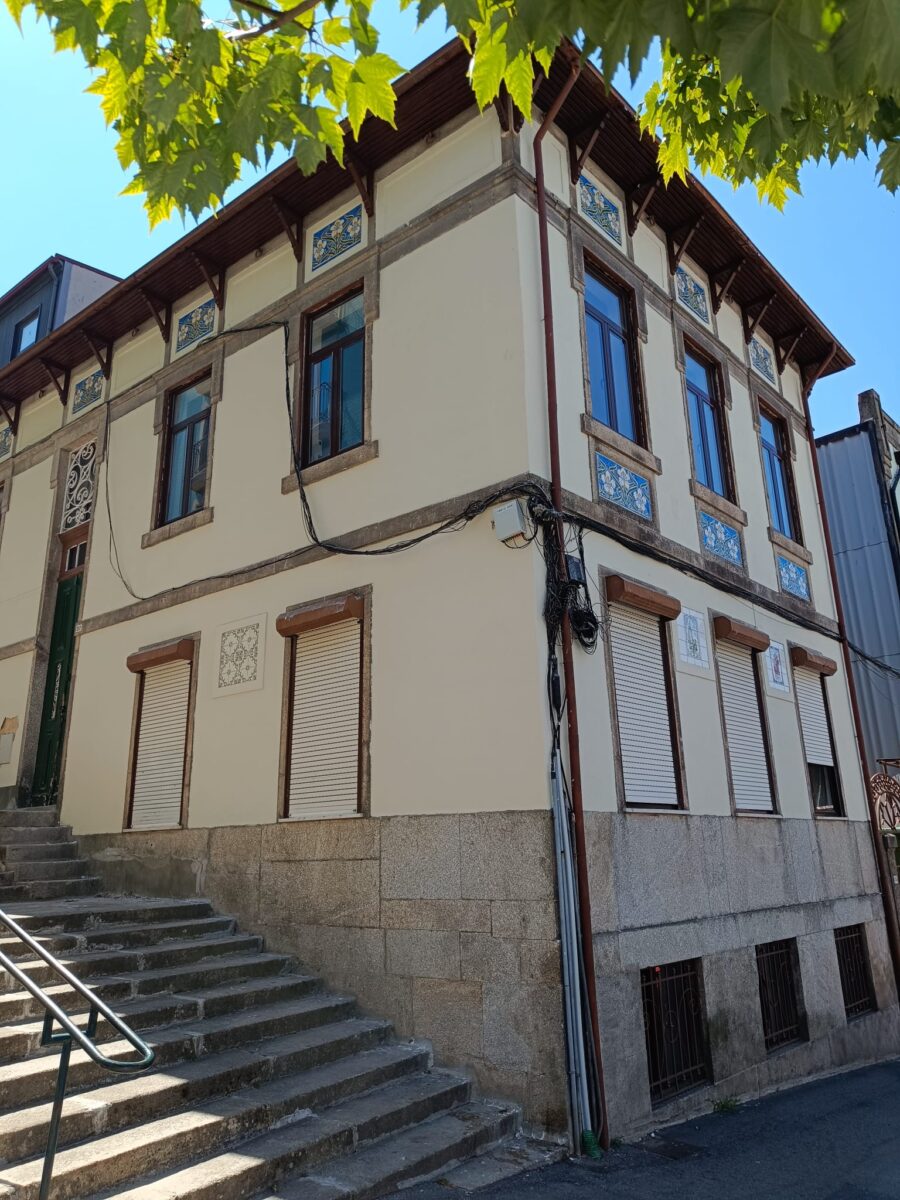
Case studies abound. Renovation specialists working under the “fix-and-flip” model are converting neglected Bonfim townhouses into polished vacation rentals. One local developer renovated a cluster of four azulejo‑tiled buildings, marketing them as design-led short‑stay homes — and generated buyer interest even before completion (Living Wise). Such projects have become a common pathway for investors sourced directly from their own tourist visits: a weekend in a characterful Bonfim flat turns into an impulse to acquire undervalued gems, transform them, and monetize them through Airbnb or Booking.com.
Neighbourhood Transformation
Bonfim is evolving from its gritty working‑class identity into an urban microcosm of Porto’s regeneration. Cultural entrepreneurs have opened galleries, concept-stores, and gastropubs within refurbished residential buildings. This influx of creative energy complements the rising short-term rental market: tourists increasingly desire local experiences over hotel corridors.
Regulatory dynamics contribute as well. While Porto’s central historic zones have frozen new alojamento local licenses, peripheral areas like Bonfim remain open for sustainable development (GoldCrest). That regulatory clarity encourages projects that combine housing preservation with revenue-generation.
Looking Ahead to 2026–2028
Real estate experts forecast a solid future for Bonfim. Property-price growth across Porto is expected to average 5–8% annually through the late 2020s (Investropa). Given Bonfim’s lower starting base, it could exceed those averages as it catches up to established central areas.
Plugging in occupancy trends and ADRs, STR analysts anticipate Bonfim‑based rentals to reach annual gross revenues of €20,000–€30,000 per unit by 2026—mirroring existing earnings in more central zones (idealista.pt). Given limited housing supply and continued tourism growth — air bed stays rose 2.0% in Porto over the past year () — investor momentum shows no signs of abating.
Urban planners foresee Bonfim becoming a hybrid district: a place where preserved vintage façades host modern vacation homes, alongside coworking cafés and cultural venues. Authorities aim to encourage single licenses rather than large-scale hotel conversions — preserving community feel while welcoming tourism income.
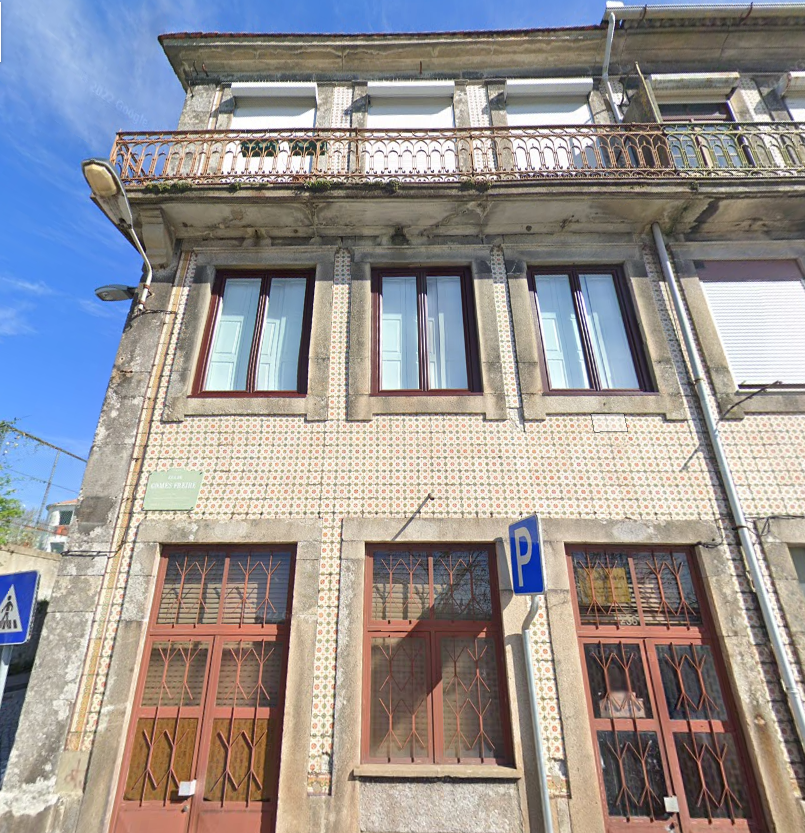
Bonfim is emblematic of Porto’s broader short-term rental renaissance: a friction zone where affordability, tourism, artistic resurgence, and smart regulation collide. Entrepreneurs drawn by authentic stays are becoming developers; tourists are becoming investors. With continued revenue growth, rising property values, and municipal oversight balancing transformation with preservation, Bonfim is poised to mature as Porto’s next residential-tourism frontier by 2028 — a polished, profit-making neighbourhood forged from the raw grit of its past.